Avoiding App Store rejection for dating apps requires more than following submission guidelines—it starts with building the right MVP. Founders must focus on visible differentiation, premium UX, and a scalable backend architecture rather than cloning existing apps. By launching a retention-first MVP, validating user behavior early, and planning App Store approval as a product constraint, businesses can reduce rejection risk, control development costs, and launch a scalable dating app in weeks instead of months.
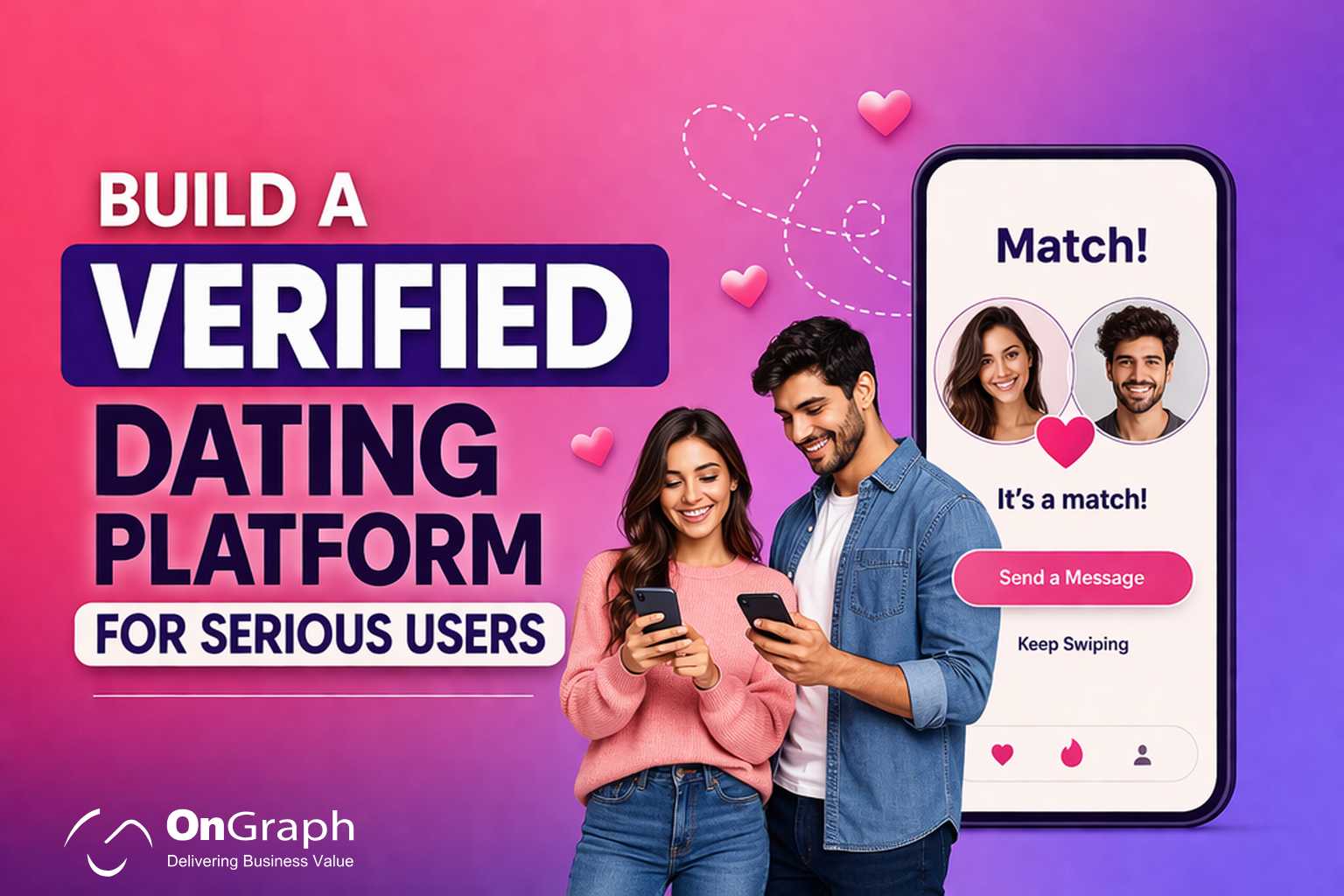
We recently consulted with a startup founder who wanted to launch a general-purpose dating app—open to all demographics, premium in feel, and simple to use at launch. No extreme niche positioning. No over-engineered feature set. Just a high-quality platform where users feel impressed from the very first session.
What made this case interesting was not the idea itself, but the constraints:
- Avoid App Store rejection in a saturated category
- Launch quickly without burning $30K–$40K upfront
- Keep the architecture scalable as traction grows
- Start simple, then evolve using real user feedback
This blog breaks down how we approached the problem, why most dating app MVPs fail, and how founders can build custom dating apps that get approved, retain users, and scale sustainably.
The Real Challenge With Dating Apps Today
Dating apps are among the most competitive categories on both the App Store and Play Store. Users already have Tinder, Bumble, Hinge, and dozens of regional alternatives.
For new founders, this creates three immediate risks:
- Clone Risk – Apps that feel identical struggle to get approved and adopted
- Retention Risk – Users decide whether to return within minutes
- Cost Risk – Overbuilding early destroys runway before validation
This is why many founders now look toward a White Label Dating App Development Company—not to copy competitors, but to reduce risk, shorten timelines, and validate faster.
The Scenario: A General Dating App With Premium First Impressions
The founder’s vision was intentionally flexible:
- A general dating platform, not locked to religion, age, or location
- Optional profile attributes (e.g., religion visible only if the user chooses)
- Clean, modern UI that signals quality and trust
- A lightweight MVP that can grow with feedback
On paper, this sounds easy. In practice, this is where most teams fail—because they confuse general with generic.
Why Most Dating App MVPs Fail Early
From our experience helping clients build custom dating apps, failures follow a predictable pattern.
1. Overbuilding Before Learning Anything
Many founders demand:
- Complex matching algorithms
- Multiple monetization models
- Advanced filters and interactions
- Dozens of secondary features
All before validating:
- Who stays
- Why they return
- What they will pay for
This results in long timelines, bloated budgets, and zero traction.
2. Treating App Store Approval as a Formality
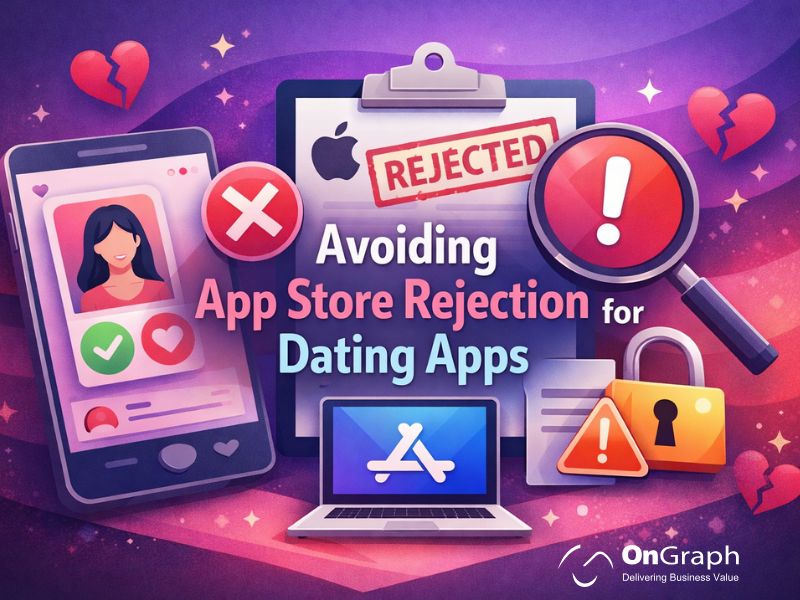
App Store approval is not guaranteed—especially in dating.
Apps get rejected when:
- Core UX patterns mirror existing leaders too closely
- Differentiation is not obvious within the first session
- The app feels like “another version of the same thing”
This is why App Store rules must influence product design, not just submission checklists.
3. Ignoring Operational Control
Dating apps are operational platforms. Without admin tools, moderation workflows, and reporting, quality declines quickly—and retention follows.
The App Store Reality Check Founders Miss
One critical clarification we shared during the consultation:
If your dating app looks and behaves like a direct clone, App Store rejection is a real risk.
Apple does not want:
- Carbon-copy swipe experiences
- Indistinguishable UX flows
- Apps that add no visible value to the ecosystem
This does not mean you can’t use familiar patterns.
It means you must combine them with visible differentiation.
The Right MVP Strategy: Retention First, Features Later
Instead of a feature-heavy roadmap, we recommended a retention-first MVP.
This approach is common among experienced White Label Dating App Development Companies because it balances speed with long-term scalability.
What to Build First
- High-quality onboarding
- Clean, intuitive profile creation
- A discovery experience that feels intentional
- Controlled interaction limits
- Stable, fast chat
What to Delay
- Advanced AI matching logic
- Rarely-used features
- Multiple monetization experiments
- Premature microservices complexity
The goal is simple: learn fast without rebuilding later.
Differentiation That Actually Reduces Risk
Differentiation doesn’t mean radical innovation. It means changing how the first session feels.
Effective differentiation patterns include:
- Alternative discovery flows (beyond swipe-only cards)
- Intent-based signals that shape matches
- Quality-first profile surfacing
- Guided onboarding that highlights strong profiles early
When differentiation is visible immediately:
- App Store approval risk drops
- Users understand the app’s value faster
- Word-of-mouth becomes organic
This is where insights from an AI Dating App Development Guide become useful—not to overbuild AI, but to apply intelligence where it improves experience, not complexity.
Launch Your Dating App Faster—Without Wasting Budget
The Technology Blueprint We Recommended
Dating apps don’t break because of traffic. They break because of poor early architecture decisions.
Core Architecture Principles
- Cloud-based infrastructure from day one
- Clear separation between mobile apps and backend services
- Ability to scale infrastructure without rewriting the product
Scalable Backend Architecture
The backend must support:
- User profiles and preferences
- Real-time messaging
- Discovery queries at scale
- Admin operations without affecting user performance
At MVP stage, heavy microservices are unnecessary. What matters is clarity, performance, and headroom.
This is the difference between hiring developers and working with a team that understands how to build custom dating apps for growth.
Performance at Scale: No Lag as Users Grow
A common founder concern is performance under load.
The truth:
- Lag is not caused by “too many users”
- Lag is caused by under-provisioned infrastructure and poor backend design
With a cloud-based setup:
- You scale server capacity as usage grows
- You optimize hotspots instead of rebuilding
- You remain stable at 5,000, 50,000, or more users
This approach protects both user experience and future costs.
Monetization That Matches Real User Behavior
For dating platforms, subscription remains the most proven model—but timing matters.
We recommend:
- Allowing limited free exploration
- Gating meaningful interaction behind premium plans
- Iterating pricing based on real engagement data
Even with a small percentage of paying users, a well-retained base can:
- Recover initial investment quickly
- Fund feature iteration
- Support sustainable growth
This monetization philosophy aligns closely with insights from any serious AI Dating App Development Guide—optimize engagement first, revenue second.
Why Admin Panels Are Non-Negotiable?
Many founders overlook this.
A strong admin panel enables:
- User moderation and safety controls
- Reporting and abuse handling
- Subscription and feature management
- Operational visibility
Dating apps without operational tooling lose quality fast.
Every serious White Label Dating App Development Company treats admin tooling as a core feature, not an add-on.
Design Validation: Why Figma Comes First
Before development, we recommend:
- UX/UI design in Figma
- Clickable prototypes
- Feedback loops before code
This reduces:
- Rework
- Misalignment
- Budget overruns
Design-first validation is one of the fastest ways to protect ROI when you build custom dating apps.
Launch Timeline: Weeks, Not Quarters
With a disciplined MVP scope:
- Branding, design, and backend work run in parallel
- Approval readiness is planned early
- Launch timelines become predictable
The result is a launch-ready dating app in weeks, not months—without compromising quality or scalability.
Business Outcomes This Approach Optimizes For
This strategy consistently delivers:
- Faster time to market
- Lower App Store rejection risk
- Higher first-session retention
- Scalable growth without rewrites
It’s designed for founders who want to validate, learn, and scale—intelligently.
Key Takeaways for Founders
If you’re planning to launch a dating app:
- Don’t overbuild your MVP
- Treat App Store approval as a product constraint
- Make differentiation visible immediately
- Design for scalability early
- Invest in operational control
Most importantly:
Build what teaches you fastest—not what looks impressive on a feature list.
Don’t Just Hire Developers — Hire Architects
Dating apps succeed at the intersection of product strategy, engineering discipline, and operational control.
If you’re evaluating a White Label Dating App Development Company, following an AI Dating App Development Guide, or planning to build custom dating apps from scratch, the real value lies in architecture and decision-making—not just code.
From Idea to App Store Approval—Built by Experts
We help founders design, build, and launch scalable dating apps that get approved, retain users, and grow without rework.